
The Ultimate Home Safety Checklist: 150+ Ways to Protect Your Home and Family
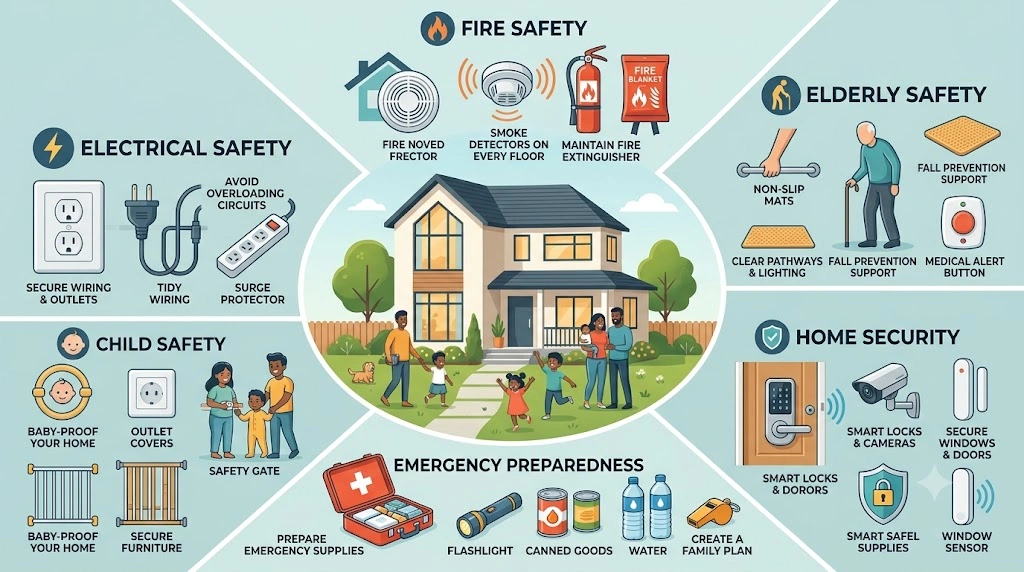
Your home is more than a building—it is the place where your family creates memories, finds comfort, and feels protected. However, many household dangers remain hidden until an accident happens. A complete The Ultimate Home Safety Checklist helps you identify potential hazards, prevent injuries, protect your loved ones, and create a safer living environment.
Whether you are a homeowner, parent, caregiver, or someone moving into a new house, this ultimate home safety checklist provides a practical step-by-step guide to improving safety in every area of your home.
A safer home does not require perfection. It requires awareness, regular checks, and small improvements that create lasting protection.
Why Every Home Needs a Safety Checklist
Every home has potential risks. Some dangers are obvious, while others develop slowly over time.
A regular safety inspection helps families: The Ultimate Home Safety
- Prevent household accidents
- Reduce fire and electrical risks
- Protect children and elderly family members
- Improve home security
- Prepare for emergencies
- Maintain a healthier living environment
- Create confidence and peace of mind
A safe home is not only about preventing problems—it is about creating a place where everyone can relax without unnecessary worries.
Home Safety Score System: Evaluate Your Home Protection Level
Before starting your inspection, evaluate each area of your home.
| Safety Area | Current Score |
| Fire Safety | ⭐⭐⭐⭐⭐ |
| Electrical Safety | ⭐⭐⭐⭐⭐ |
| Kitchen Safety | ⭐⭐⭐⭐⭐ |
| Child Safety | ⭐⭐⭐⭐⭐ |
| Elderly Safety | ⭐⭐⭐⭐⭐ |
| Home Security | ⭐⭐⭐⭐⭐ |
| Emergency Preparedness | ⭐⭐⭐⭐⭐ |
Ask yourself:
- Do I have the right safety equipment?
- Are safety devices working properly?
- Are there hidden hazards in daily living areas?
- Is my family prepared for emergencies?
1. Fire Safety Checklist: Protect Your Family From Fire Hazards
Fire safety is one of the most important parts of home protection. A small problem can become dangerous within minutes, but proper preparation can dramatically reduce risks.
Smoke Detector Safety Checklist
☐ Install smoke detectors on every floor
☐ Place alarms near bedrooms
☐ Test smoke alarms every month
☐ Replace batteries regularly
☐ Replace old smoke detectors when needed
☐ Keep alarms free from dust and blockage
☐ Teach family members what the alarm sound means
Carbon Monoxide Safety Checklist
Carbon monoxide is invisible and odorless, making protection essential.
☐ Install carbon monoxide detectors
☐ Check detector batteries regularly
☐ Place detectors near sleeping areas
☐ Never ignore carbon monoxide alarms
☐ Maintain heating systems properly
☐ Ensure proper ventilation around appliances
Fire Extinguisher Checklist
☐ Keep fire extinguishers accessible
☐ Place one in the kitchen area
☐ Learn how to use an extinguisher
☐ Check expiration dates
☐ Ensure pressure levels are correct
☐ Store extinguishers away from children
Emergency Escape Plan Checklist
☐ Create a family fire escape plan
☐ Identify two exits from each room
☐ Keep emergency pathways clear
☐ Practice fire drills regularly
☐ Choose an outdoor meeting location
☐ Teach children how to call emergency services
General Fire Prevention Tips
☐ Never leave cooking unattended
☐ Keep candles away from curtains
☐ Store matches safely
☐ Keep flammable materials away from heat sources
☐ Avoid overloading electrical outlets
☐ Clean dryer vents regularly
2. Electrical Safety Checklist: Prevent Hidden Electrical Hazards
Electrical problems are among the most common causes of household fires. Regular inspections can prevent dangerous situations.
Electrical Inspection Checklist
☐ Replace damaged power cords
☐ Avoid using broken plugs
☐ Do not overload electrical outlets
☐ Check extension cords for damage
☐ Keep electrical items away from water
☐ Cover unused outlets
☐ Inspect power strips regularly
☐ Replace outdated wiring when necessary
Outlet Safety Checklist
☐ Install child safety outlet covers
☐ Check loose outlets
☐ Avoid multiple adapters in one socket
☐ Keep outlets dry
☐ Remove unused chargers
Appliance Safety Checklist
☐ Read appliance safety instructions
☐ Unplug unused appliances
☐ Keep appliances clean
☐ Inspect unusual smells or sounds
☐ Avoid using damaged appliances
☐ Maintain large appliances regularly
Electrical Panel Checklist
☐ Keep electrical panels accessible
☐ Label circuit breakers clearly
☐ Avoid blocking electrical panels
☐ Check for warning signs:
- Burning smell
- Flickering lights
- Warm outlets
- Frequent circuit trips
If these signs appear, professional inspection may be needed.
3. Kitchen Safety Checklist: Make the Heart of Your Home Safer
The kitchen is one of the busiest areas in every home. It is also one of the places where accidents commonly occur.
A safe kitchen allows families to enjoy cooking, gathering, and creating memories without unnecessary risks.
Cooking Safety Checklist
☐ Never leave cooking unattended
☐ Keep towels away from flames
☐ Turn pot handles inward
☐ Use proper cooking equipment
☐ Clean grease buildup regularly
☐ Keep children away from hot surfaces
Gas Safety Checklist
☐ Check gas appliances regularly
☐ Watch for gas leaks
☐ Turn off gas after cooking
☐ Keep ventilation areas open
☐ Never ignore unusual gas smells
Knife and Sharp Object Safety
☐ Store knives securely
☐ Keep sharp tools away from children
☐ Use proper cutting techniques
☐ Store scissors safely
Food Safety Checklist
☐ Store food at correct temperatures
☐ Check expiration dates
☐ Clean countertops regularly
☐ Wash fruits and vegetables
☐ Prevent cross-contamination
Kitchen Chemical Safety
☐ Store cleaning products safely
☐ Keep chemicals away from food
☐ Use childproof cabinet locks
☐ Never mix cleaning chemicals
☐ Keep medicine away from kitchen chemicals
Creating a Safer Home Is an Act of Care
Home safety is not only about equipment, alarms, and checklists. It reflects love, responsibility, and care for the people who share your space.
Every small improvement—from fixing a loose wire to installing a smoke detector—adds another layer of protection.
A safer home creates something valuable that every family deserves:
Comfort. Confidence. Security. Peace of mind.
4. Bathroom Safety Checklist: Prevent Slips, Falls, and Hidden Risks
The Bathroom Should Be A Place Of Comfort and relaxation, but it is also one of the most common areas where accidents happen. Water, slippery surfaces, and poor lighting can create serious hazards.
A safer bathroom protects children, adults, and elderly family members while making daily routines easier and more comfortable.
Bathroom Floor Safety Checklist
☐ Install anti-slip mats inside and outside the shower
☐ Keep floors dry whenever possible
☐ Repair damaged tiles immediately
☐ Remove loose rugs that may cause slipping
☐ Clean water spills quickly
☐ Use non-slip flooring materials
Shower and Bathtub Safety Checklist
☐ Install grab bars near showers and bathtubs
☐ Use a shower seat if needed
☐ Keep bathing products within easy reach
☐ Avoid slippery soap containers
☐ Maintain proper water temperature
☐ Check shower equipment regularly
Bathroom Electrical Safety Checklist
☐ Keep electrical devices away from water
☐ Use bathroom-safe electrical outlets
☐ Avoid using damaged hair dryers or appliances
☐ Install proper ventilation systems
☐ Keep switches and sockets dry
Medicine and Chemical Safety Checklist
☐ Store medicines securely
☐ Check medicine expiration dates
☐ Keep cleaning chemicals locked away
☐ Store personal care products safely
☐ Keep harmful substances away from children
Bathroom Lighting Checklist
☐ Install bright lighting
☐ Add night lights for nighttime visits
☐ Remove dark areas and shadows
☐ Ensure switches are easy to access
5. Child Safety Checklist: Create a Safer Home for Kids
Children explore the world with curiosity. Their natural desire to discover new things makes home safety especially important.
A child-friendly home does not limit exploration—it creates a secure environment where children can learn safely.
Baby Proofing Checklist
☐ Cover electrical outlets
☐ Install cabinet safety locks
☐ Add safety gates near stairs
☐ Secure heavy furniture to walls
☐ Remove choking hazards
☐ Keep small objects away from toddlers
☐ Block unsafe areas
☐ Secure windows properly
Furniture Safety Checklist: The Ultimate Home Safety
☐ Anchor bookshelves and cabinets
☐ Secure televisions
☐ Remove sharp furniture edges
☐ Avoid placing heavy items on high shelves
☐ Check furniture stability regularly
Kitchen Child Safety Checklist
☐ Keep knives out of reach
☐ Lock cleaning products
☐ Keep hot items away from edges
☐ Use stove guards
☐ Keep matches and lighters secured
Bedroom Child Safety Checklist
☐ Use age-appropriate beds
☐ Keep cords away from children
☐ Install safe window coverings
☐ Avoid loose bedding for babies
☐ Keep toys organized
Toy Safety Checklist
☐ Check toys for broken parts
☐ Avoid small choking hazards
☐ Follow age recommendations
☐ Clean toys regularly
☐ Remove damaged toys
6. Elderly Home Safety Checklist: Support Independent and Safe Living
A safe home becomes even more important as family members grow older. Simple changes can prevent falls, improve confidence, and make Everyday Activities Easier.
Fall Prevention Checklist
☐ Remove loose carpets
☐ Keep walking areas clear
☐ Improve lighting in hallways
☐ Install handrails on stairs
☐ Use non-slip footwear
☐ Repair uneven flooring
Bedroom Safety Checklist for Seniors
☐ Keep emergency phone access nearby
☐ Add bedside lighting
☐ Remove obstacles near the bed
☐ Use comfortable furniture height
☐ Keep essential items within reach
Bathroom Safety for Elderly Family Members
☐ Install grab bars
☐ Add shower support seats
☐ Improve bathroom lighting
☐ Use anti-slip surfaces
☐ Keep emergency assistance available
Emergency Support Checklist
☐ Keep emergency contacts visible
☐ Consider medical alert systems
☐ Maintain updated medication lists
☐ Schedule regular home safety reviews
☐ Keep important documents organized
7. Bedroom Safety Checklist: Create a Peaceful Sleeping Environment
A bedroom should provide comfort, relaxation, and safety. Many hazards, however, can appear through clutter, poor lighting, and unsafe electrical usage.
Bedroom Inspection Checklist
☐ Keep emergency exits accessible
☐ Remove unnecessary clutter
☐ Maintain proper ventilation
☐ Check furniture stability
☐ Keep floors clear
Bed Safety Checklist
☐ Ensure bed frames are secure
☐ Use proper mattress support
☐ Keep blankets away from heating devices
☐ Choose safe sleeping arrangements for children
Bedroom Electrical Checklist
☐ Avoid charging devices under pillows
☐ Remove damaged chargers
☐ Prevent overloaded outlets
☐ Keep cords organized
Lighting Safety Checklist
☐ Install bedside lamps
☐ Add motion sensor lights
☐ Keep switches accessible
☐ Avoid walking in complete darkness
8. Living Room Safety Checklist: Keep Family Spaces Safe
The Living Room Is Where Families Spend Time Together. A safe living space reduces accidents while creating a welcoming environment.
Furniture Safety Checklist
☐ Arrange furniture to create clear pathways
☐ Secure unstable furniture
☐ Protect sharp corners
☐ Avoid blocking doors
☐ Keep heavy objects safely positioned
Electronics Safety Checklist
☐ Organize cables properly
☐ Avoid overloaded power strips
☐ Keep devices ventilated
☐ Secure televisions safely
☐ Remove damaged electronics
General Living Room Safety
☐ Remove trip hazards
☐ Keep emergency exits clear
☐ Use safe decorations
☐ Maintain good lighting
☐ Check heating devices regularly
9. Garage and Basement Safety Checklist
Garages and basements often contain tools, chemicals, equipment, and storage items that require extra attention.
Garage Safety Checklist
☐ Store tools safely
☐ Keep chemicals labeled
☐ Secure hazardous materials
☐ Maintain proper lighting
☐ Keep walkways clear
☐ Store fuel safely
☐ Check garage door operation
Basement Safety Checklist
☐ Check for water leaks
☐ Prevent mold growth
☐ Improve ventilation
☐ Inspect electrical systems
☐ Remove unnecessary clutter
☐ Keep emergency access available
10. Home Safety Priority Checklist: What Should You Fix First?
Not every safety improvement has the same urgency.
Fix Immediately:
☐ Broken smoke detectors
☐ Gas leaks
☐ Exposed electrical wires
☐ Unsafe stairs
☐ Broken locks
☐ Major water leaks
Fix Within One Month:
☐ Add emergency supplies
☐ Improve lighting
☐ Secure furniture
☐ Replace damaged cords
☐ Organize hazardous storage
Review Every Year:
☐ Emergency plans
☐ Fire equipment
☐ Security systems
☐ Electrical inspection
☐ Family safety needs
A Safe Home Builds a Peaceful Life
Safety is created through small, consistent actions. A locked cabinet, a tested alarm, a clear pathway, or a prepared emergency kit can make a meaningful difference.
When we protect our homes, we protect the people and memories that matter most.
11. Home Security Checklist: Protect Your Home From External Threats
A Safe Home Is Not Only Protected from accidents—it is also protected from security risks. Strong home security creates confidence and peace of mind, allowing families to feel comfortable in their own space.
Modern security combines simple habits, strong physical protection, and smart technology.
Door Security Checklist
Your doors are the first line of defense for your home.
☐ Install strong door locks
☐ Upgrade old or damaged locks
☐ Use deadbolt locks where appropriate
☐ Reinforce weak door frames
☐ Check door hinges regularly
☐ Keep spare keys secure
☐ Avoid hiding keys in obvious places
☐ Install a door viewer or camera
☐ Ensure sliding doors have proper locks
Window Security Checklist
Windows can become weak entry points if they are not properly secured.
☐ Install reliable window locks
☐ Check damaged window frames
☐ Keep basement windows secure
☐ Use window sensors if needed
☐ Trim bushes blocking window visibility
☐ Close windows when leaving home
☐ Repair broken glass immediately
Home Alarm System Checklist
☐ Install a reliable alarm system
☐ Test alarms regularly
☐ Keep security passwords private
☐ Update emergency contacts
☐ Understand alarm settings
☐ Replace system batteries when needed
Security Camera Checklist
☐ Install cameras at important entry points
☐ Check camera visibility
☐ Keep camera software updated
☐ Protect camera passwords
☐ Review camera performance regularly
☐ Ensure outdoor cameras are weather protected
Outdoor Security Checklist
☐ Install motion-sensor lighting
☐ Keep entrances well-lit
☐ Maintain fences and gates
☐ Remove hiding places near entrances
☐ Keep outdoor areas organized
☐ Display security signs if appropriate
Family Security Habits
☐ Teach family members safe habits
☐ Avoid sharing travel plans publicly
☐ Keep emergency contacts updated
☐ Know your neighborhood resources
☐ Create a plan for suspicious activity
12. Outdoor Home Safety Checklist: Protect Your Property Areas
Outdoor spaces are an important part of home safety. Walkways, gardens, garages, and yards require regular attention to prevent injuries and property damage.
Walkway and Driveway Safety
☐ Repair cracked pathways
☐ Remove slippery surfaces
☐ Add outdoor lighting
☐ Keep walkways clear
☐ Remove leaves and debris regularly
☐ Mark uneven areas
Garden Safety Checklist
☐ Trim dangerous branches
☐ Remove poisonous plants if needed
☐ Store gardening tools safely
☐ Keep fertilizers and chemicals secure
☐ Maintain healthy outdoor surfaces
Pool and Water Safety Checklist
☐ Install barriers around pools
☐ Never leave children unattended near water
☐ Keep pool equipment maintained
☐ Store chemicals safely
☐ Maintain proper lighting around water areas
Outdoor Equipment Checklist
☐ Secure ladders properly
☐ Store tools safely
☐ Check outdoor furniture stability
☐ Inspect playground equipment
☐ Protect outdoor electrical connections
13. Monthly Home Safety Maintenance Checklist
Regular maintenance prevents small problems from becoming dangerous situations.
A monthly safety review takes little time but provides valuable protection.
Monthly Fire Safety Checks
☐ Test smoke alarms
☐ Test carbon monoxide detectors
☐ Check fire extinguisher condition
☐ Review emergency exits
☐ Remove flammable clutter
Monthly Electrical Checks
☐ Inspect visible wires
☐ Check unusual appliance behavior
☐ Look for damaged outlets
☐ Review extension cord usage
☐ Remove unnecessary electrical devices
Monthly Water Safety Checks
☐ Check for leaks
☐ Inspect pipes
☐ Look under sinks
☐ Check bathroom fixtures
☐ Monitor water pressure issues
Monthly Security Checks
☐ Test locks
☐ Check security cameras
☐ Review outdoor lighting
☐ Update emergency contacts
☐ Inspect doors and windows
Monthly Emergency Supply Review
☐ Check flashlight batteries
☐ Replace expired supplies
☐ Review first aid kit
☐ Update emergency documents
☐ Confirm family emergency plans
14. Seasonal Home Safety Checklist
Different seasons bring different risks. Adjusting your safety routine throughout the year helps protect your home in every condition.
Winter Home Safety Checklist
Cold weather can create additional household hazards.
☐ Inspect heating systems
☐ Clean fireplaces safely
☐ Check carbon monoxide detectors
☐ Protect pipes from freezing
☐ Remove snow and ice from pathways
☐ Use heating devices safely
☐ Avoid overloading electrical systems
Spring Home Safety Checklist
Spring is a great time for a complete home review.
☐ Check roof condition
☐ Inspect gutters
☐ Look for water damage
☐ Clean ventilation systems
☐ Review outdoor areas
☐ Check windows and doors
Summer Home Safety Checklist
☐ Maintain air conditioning systems
☐ Practice pool safety
☐ Check outdoor electrical equipment
☐ Protect against heat-related problems
☐ Store outdoor chemicals safely
☐ Inspect barbecue equipment
Fall Home Safety Checklist
☐ Clean heating systems
☐ Prepare emergency supplies
☐ Check smoke detectors
☐ Clean leaves from pathways
☐ Inspect fireplaces
☐ Review winter preparation plans
15. Emergency Preparedness Checklist: Be Ready Before Problems Happen
Emergencies Are Unpredictable, but preparation creates confidence.
A good emergency plan helps families respond quickly during situations such as:
- Natural disasters
- Power outages
- Severe weather
- Medical emergencies
- Home accidents
Emergency Kit Checklist
Every home should have basic emergency supplies.
☐ First aid kit
☐ Flashlights
☐ Extra batteries
☐ Drinking water
☐ Non-perishable food
☐ Blankets
☐ Basic medicines
☐ Phone chargers
☐ Important documents
☐ Emergency contact list
First Aid Kit Checklist
☐ Bandages
☐ Antiseptic supplies
☐ Medical tape
☐ Pain relief medicine
☐ Scissors
☐ Gloves
☐ Thermometer
☐ Personal medications
Family Emergency Plan Checklist
☐ Choose emergency meeting locations
☐ Save important phone numbers
☐ Teach children emergency procedures
☐ Keep copies of important documents
☐ Plan for pets
☐ Review evacuation routes
16. Smart Home Safety Checklist: Use Technology for Better Protection
Technology can make homes safer when used correctly.
Smart devices can provide: The Ultimate Home Safety
- Faster alerts
- Better monitoring
- Remote control
- Increased awareness
Smart Security Devices
☐ Install smart cameras
☐ Use smart door locks
☐ Add motion sensors
☐ Enable security notifications
☐ Update device software regularly
Smart Fire Protection
☐ Use smart smoke detectors
☐ Connect alarms to notifications
☐ Monitor battery status remotely
☐ Test devices regularly
Smart Home Privacy Checklist
Technology should improve safety without creating privacy risks.
☐ Use strong passwords
☐ Enable security updates
☐ Protect Wi-Fi networks
☐ Review device permissions
☐ Remove unused devices
Final Home Safety Reminder
A truly safe home is created through awareness, preparation, and care.
Every checked box represents a small action that protects your family, reduces stress, and creates a stronger sense of security.
Safety is not a one-time project—it is a habit that builds a peaceful home environment.
Printable Ultimate Home Safety Checklist
Use This Quick-Reference Checklist to review your home regularly.
Fire Safety: The Ultimate Home Safety
☐ Smoke detectors installed
☐ Smoke alarms tested monthly
☐ Carbon monoxide detectors installed
☐ Fire extinguisher available
☐ Emergency escape plan created
☐ Exit routes clear
☐ Family knows emergency procedures
Electrical Safety
☐ Damaged wires replaced
☐ Outlets inspected
☐ Extension cords used safely
☐ Electrical panel accessible
☐ Appliances maintained
☐ Overloaded sockets avoided
Kitchen Safety
☐ Cooking area clean
☐ Gas appliances checked
☐ Knives stored safely
☐ Chemicals secured
☐ Fire risks minimized
☐ Food storage maintained
Bathroom Safety: The Ultimate Home Safety
☐ Anti-slip mats installed
☐ Medicines secured
☐ Proper lighting available
☐ Grab bars installed if needed
☐ Electrical devices kept away from water
Child Safety
☐ Electrical outlets covered
☐ Cabinets secured
☐ Furniture anchored
☐ Small objects removed
☐ Stairs protected
☐ Windows secured
Elderly Safety
☐ Walking areas clear
☐ Fall hazards removed
☐ Emergency contacts available
☐ Bathroom support installed
☐ Lighting improved
Home Security
☐ Doors secured
☐ Windows locked
☐ Security system checked
☐ Cameras working
☐ Outdoor lighting installed
Emergency Preparedness: The Ultimate Home Safety
☐ Emergency kit prepared
☐ First aid supplies available
☐ Important documents organized
☐ Emergency contacts updated
☐ Family emergency plan reviewed
Quick Home Safety Review Table
| Safety Category | Check Frequency | Priority |
| Smoke Detectors | Monthly | Very High |
| Fire Extinguishers | Monthly | Very High |
| Electrical System | Monthly | High |
| Emergency Supplies | Monthly | High |
| Security Locks | Monthly | High |
| Water Leaks | Monthly | Medium |
| Full Home Inspection | Yearly | High |
People Also Ask
A home safety review should be performed monthly for important systems like smoke alarms, emergency supplies, and security devices. A complete inspection should be done at least once a year.
The most common home safety risks include:
Fires
Electrical problems
Falls
Slips
Unsafe storage
Poor security
Emergency preparation gaps
Regular inspections help reduce these risks.
You can improve child safety by:
Covering electrical outlets
Securing furniture
Locking cabinets
Installing safety gates
Removing choking hazards
Keeping dangerous items out of reach
A basic emergency kit should include:
Water
Food supplies
First aid items
Flashlights
Batteries
Important documents
Emergency contact information
A family emergency plan should include:
Emergency meeting locations
Contact information
Evacuation routes
Medical information
Responsibilities for each family member
Every home should consider having:
Smoke detectors
Carbon monoxide alarms
Fire extinguishers
First aid kits
Security locks
Emergency lighting
Final Conclusion: A Safer Home Creates a More Peaceful Life
Your home should be the place where your family feels the greatest comfort, protection, and peace.
The Ultimate Home Safety Checklist is not just a list of tasks—it is a reminder that small actions create meaningful protection. Testing a smoke alarm, securing a cabinet, preparing an emergency kit, or improving lighting can make a powerful difference.
A safe home is built through awareness, responsibility, and care.
When we protect our homes, we protect the people, memories, and moments that matter most.
May your home always be filled with safety, comfort, happiness, and peace.